
Top 7 Maintenance Tips for Industrial Roofing
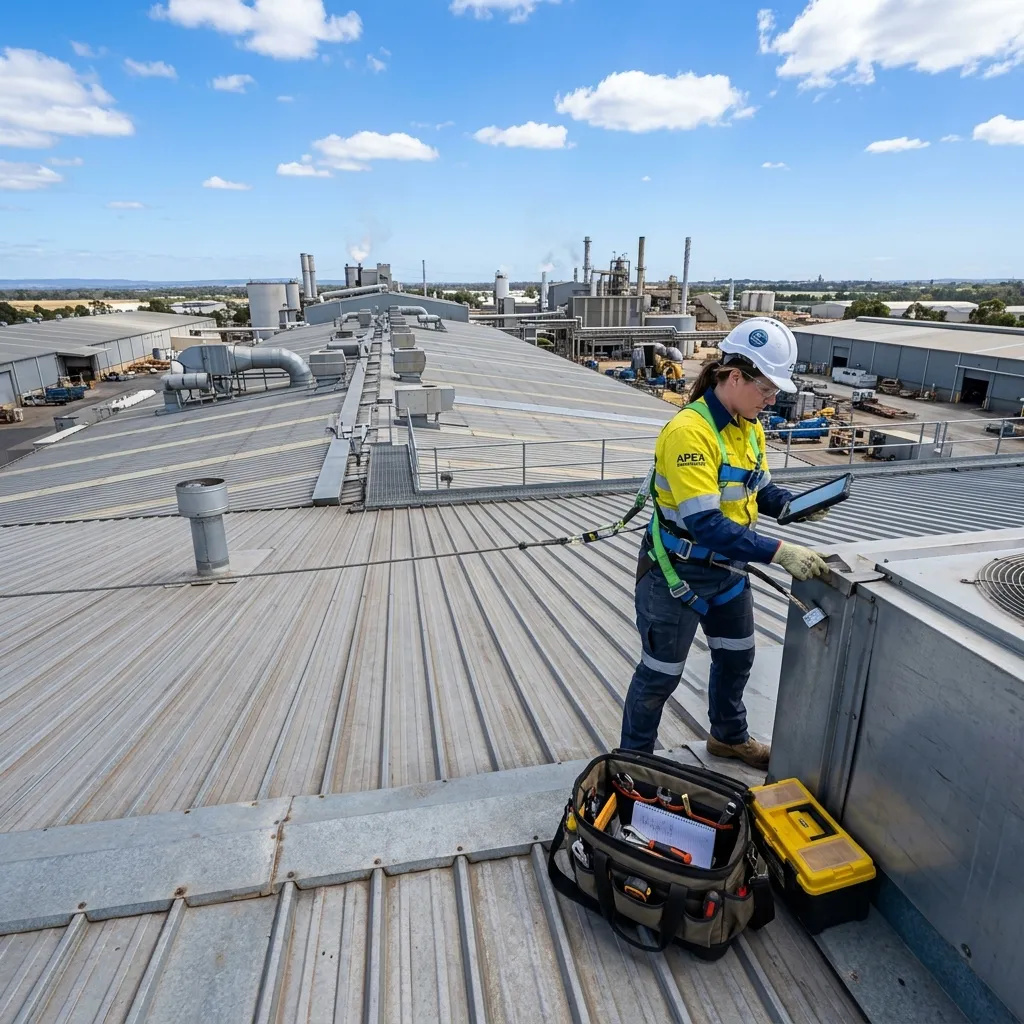
An industrial roof is a significant investment that protects your equipment, inventory, and workforce. However, many facility managers take a “set it and forget it” approach, leading to minor issues escalating into expensive structural repairs.
According to the National Roofing Contractors Association, proactive maintenance can extend metal roof service life by 10-15 years and reduce lifetime ownership costs by up to 40%. A well-maintained metal roof lasts 25-40 years depending on material grade and climate.
Here are the top 7 maintenance tips every industrial facility manager should follow.
1. Keep the Gutters and Downspouts Clear
Debris such as leaves, dust, and industrial waste can quickly clog gutters. During heavy rains, standing water can overflow back into the building or seep into the overlaps of the metal sheets, causing accelerated corrosion.
Action: Clean your drainage system at least every six months.
2. Inspect Fasteners and Washers
Metal roofs expand and contract with temperature changes. Over time, this thermal movement can loosen screws. Furthermore, EPDM washers can degrade due to UV exposure, leading to “pinhole” leaks.
Action: Tighten loose fasteners and replace any cracked or brittle washers with high-quality UV-resistant versions.
3. Check for Surface Corrosion
While Galvalume and color-coated sheets are highly resistant to rust, scratches from installation or wind-blown debris can expose the base metal. If left untreated, rust can spread quickly under the paint layer through a process called “undercutting” — where corrosion travels horizontally beneath the coating.
For Galvalume sheets, the aluminum-zinc alloy provides self-healing protection at scratched areas through galvanic action, but deep scratches that reach the steel substrate need attention. Color-coated sheets with PVDF paint systems offer the highest scratch resistance, while standard polyester coatings are more prone to damage.
Action: Look for any signs of “red rust.” Clean the area with a wire brush, apply a rust converter, and finish with a matching touch-up paint or protective coating. For large corroded areas, replace the affected sheet entirely.
4. Monitor Skylights and Translucent Sheets
Polycarbonate or FRP skylight sheets degrade faster than metal. They can become brittle, crack, or lose their transparency, reducing natural light and creating leak points.
Action: Inspect skylights for yellowing or cracks. Ensure the sealant around the edges is still intact.
5. Remove Overhanging Branches
If your facility is near trees, overhanging branches can scratch the protective coating of the sheets during wind. They also drop leaves that trap moisture against the roof surface.
Action: Trim any branches within 6-10 feet of the roofline.
6. Inspect Flashing and Penetrations
The areas around vents, chimneys, and HVAC units are the most vulnerable parts of any roof. Flashing can pull away from the wall or the sealant can dry out and crack.
Action: Re-apply high-grade silicone sealant to any gaps in the flashing or roof penetrations.
7. Limit Roof Traffic
Frequent walking on metal sheets can cause “oil-canning” (dents) and stress the fasteners. It also increases the risk of damaging the paint coating, which accelerates corrosion at footfall points.
Each time someone walks on a metal roof, they compress the insulation beneath (if any) and stress the screw washers. Over time, this creates micro-gaps around fasteners that allow water ingress. For roofs with solar panels, where workers access the array for cleaning and maintenance, the cumulative foot traffic effect is significant over 10-15 years.
Action: Install designated walkways or “roof steps” if regular access to HVAC units or solar panels is required. Use walk boards (18mm+ plywood or aluminum planks) that distribute weight across multiple sheets. Mark walk paths clearly so maintenance crews stay on the designated route.
8. Monitor Sealant Condition Around Flashings
Roof sealants have a shorter lifespan than metal sheets. Silicone and polyurethane sealants typically last 5-10 years before cracking or losing adhesion. Failed sealant is the single most common cause of roof leaks, accounting for roughly 30% of all industrial roof leakage reports.
Action: Inspect all sealant joints around flashings, ridge caps, eaves, and pipe penetrations annually. Re-apply sealant when you see cracks, gaps, or hardened material. Use a high-grade neutral-cure silicone sealant compatible with metal roofing.
9. Post-Monsoon Structural Check
North Indian monsoons subject industrial roofs to heavy rain loading, wind uplift forces, and debris impact. After each monsoon season, conduct a thorough inspection focusing on:
- Check for ponding water on flat or low-slope roof sections — standing water adds significant dead load
- Look for displaced or lifted sheets at corners and edges (wind uplift is strongest here)
- Inspect gutter and downpipe connections for damage from heavy water flow
- Verify that ridge caps are secure and haven’t shifted
Action: Schedule a professional roof inspection immediately after monsoon season ends. Address any issues before the next monsoon cycle begins.
Conclusion
A proactive maintenance strategy is far cheaper than a reactive repair. By spending a few hours twice a year on these checks, you can ensure your Apex Metals roof remains watertight and structurally sound for decades.
Need a professional roof audit? Contact our technical team today →
Technical Frequently Asked Questions
How often should I inspect my industrial roof?
We recommend a thorough inspection at least twice a year—once before the monsoon and once after. Additional checks should be performed after severe weather events like heavy storms or high winds.
What is the most common cause of industrial roof leaks?
The most common causes include clogged drainage systems, loose or corroded fasteners, and damaged flashing around skylights or vents. Regular cleaning can prevent 80% of these issues.
Can I walk on my metal roofing sheets?
Yes, but you must follow safety protocols. Always walk on the purlin lines and avoid stepping on the ribs or translucent skylight sheets. Use walk-boards if frequent access is required.
Ready to Optimize Your Industrial Infrastructure?
Our technical experts specialize in creating customized steel and roofing solutions tailored to your project's unique requirements.